Walk, Breathe, Think, Decide
When the world goes into a tailspin and the alerts keep piling up, panic almost starts to look like a rational option. But staying clear-headed first requires staying upright: breathing, protecting your attention, and getting your body in motion. Walking turns down the noise, clears the mind, and teaches us to keep moving without pretending we can predict everything. Looking after your health is not a selfish retreat; it is what allows you to make sound decisions, resist collective frenzy, and stay in the game for the long haul. So this summer, let’s walk enough to keep our heads, our breath, and our bearings.
Here is our summer reading list: walk, certainly—but keep the rest of the machinery running too.
Walk

Forget 10,000 steps and heroic workouts: better health may begin with simply walking better. Speed, cadence, balance, feet, and footwear become critical indicators of mobility, independence, and longevity. How the most ordinary movement in our daily lives became a sixth vital sign.
Right Kind of Wrong
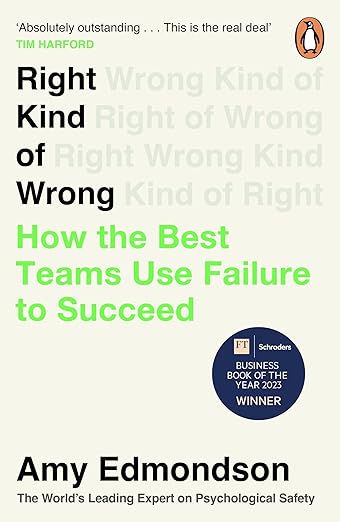
Forget Silicon Valley’s “fail fast, fail often.” Edmondson paints a more nuanced picture of failure, and encourages “intelligent failures” that lead to discoveries and innovation while reducing the risk of avoidable destructive mistakes. A guide to becoming more resilient and inventive in a world that refuses to sit still.
The Uncertainty Toolkit
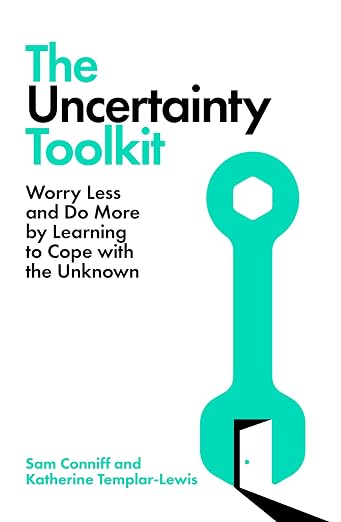
What if uncertainty were not the problem, but our reflex response to it? Blending neuroscience, extraordinary stories, and practical exercises, this book turns fear into action, mental fog into agility, and paralysis into connection. A survival kit for spending less energy predicting the future and more learning how to move through it.
Genius at Scale
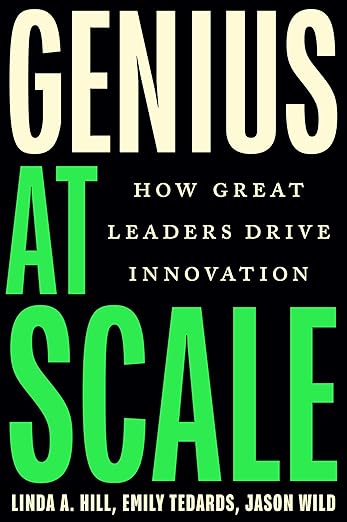
The myth of the visionary leader with a compliant crowd marching behind has aged badly. Innovation at scale depends on leaders who act as architects, bridge-builders, and catalysts: shaping cultures, connecting partners, and starting movements. How sharing the wheel can take you much farther.
What Do You Really Stand For?
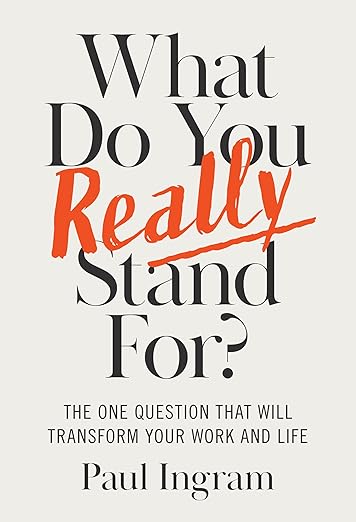
Values plastered on a lobby wall are useless if they never help settle hard decisions. Ingram proposes identifying what matters most, then turning it into a practical tool for choosing, motivating, resolving conflict, and building more coherent teams. A personal and collective compass—provided you accept that it may point somewhere uncomfortable.
Why Start-Ups Fail
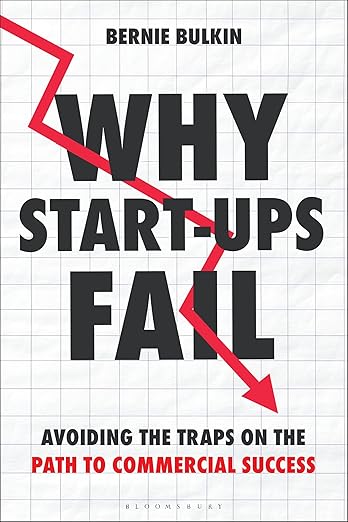
Startups do not die only from a bad idea or bad luck. Broken technology, misunderstood markets, thin engineering, weak leadership, passive boards, insufficient cash: Bulkin dissects six largely avoidable pitfalls. A useful antidote to startup mythology—and to the intellectually lazy advice to “fail fast.”
Attensity!
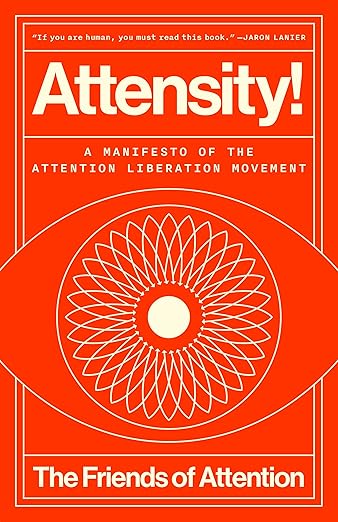
Your attention is not merely distracted. It is captured, fragmented, and sold by an industry that turns every glance into revenue. Against this “human fracking,” the answer is not another productivity hack but a collective movement built on study, coalitions, and sanctuaries for attention. How to stop optimizing attention and start liberating it.
Incorruptible
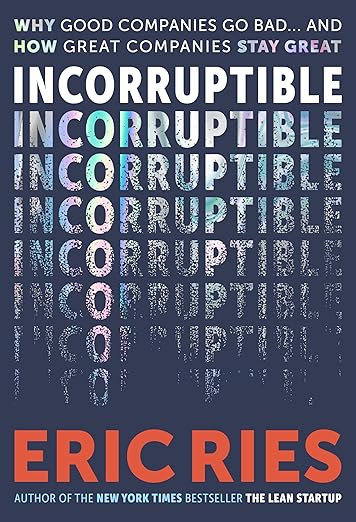
Good companies do not always betray their missions because their leaders turn bad; governance often drives them to do so. Ownership, incentives, and decision rules create a kind of “financial gravity” that gradually turns success into extraction. How to build a company that can scale without selling its soul along the way.
Leave the Lights On
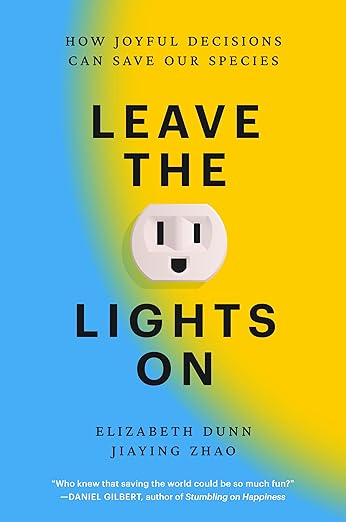
Punitive self-denial is terrible fuel for lasting behavioral change. It’s much better to focus on high-impact climate choices that also improve our lives than to feel guilty about every light left on. How joy—not permanent sacrifice—can become a transition strategy.
© Copyright Business Digest - All rights reserved